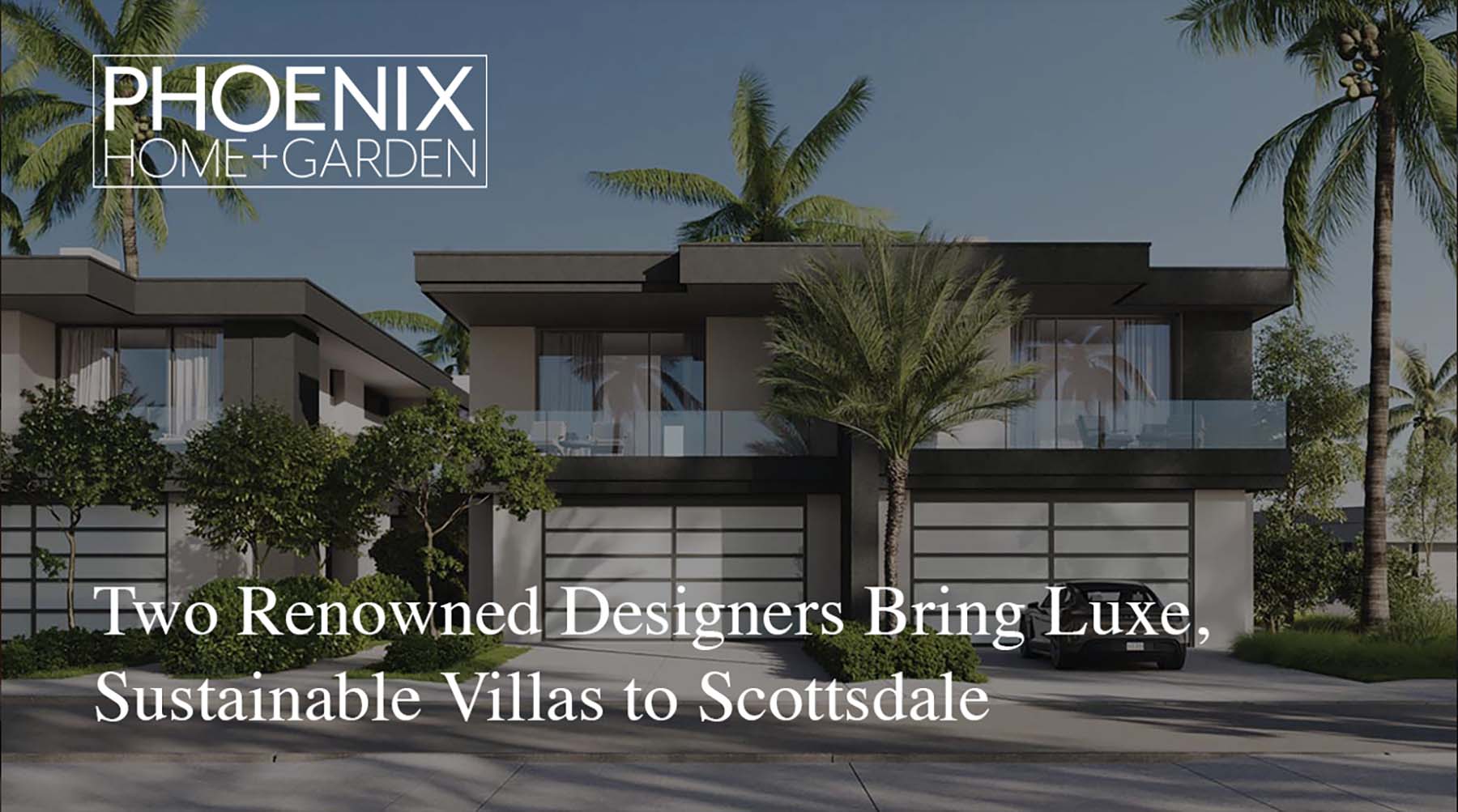
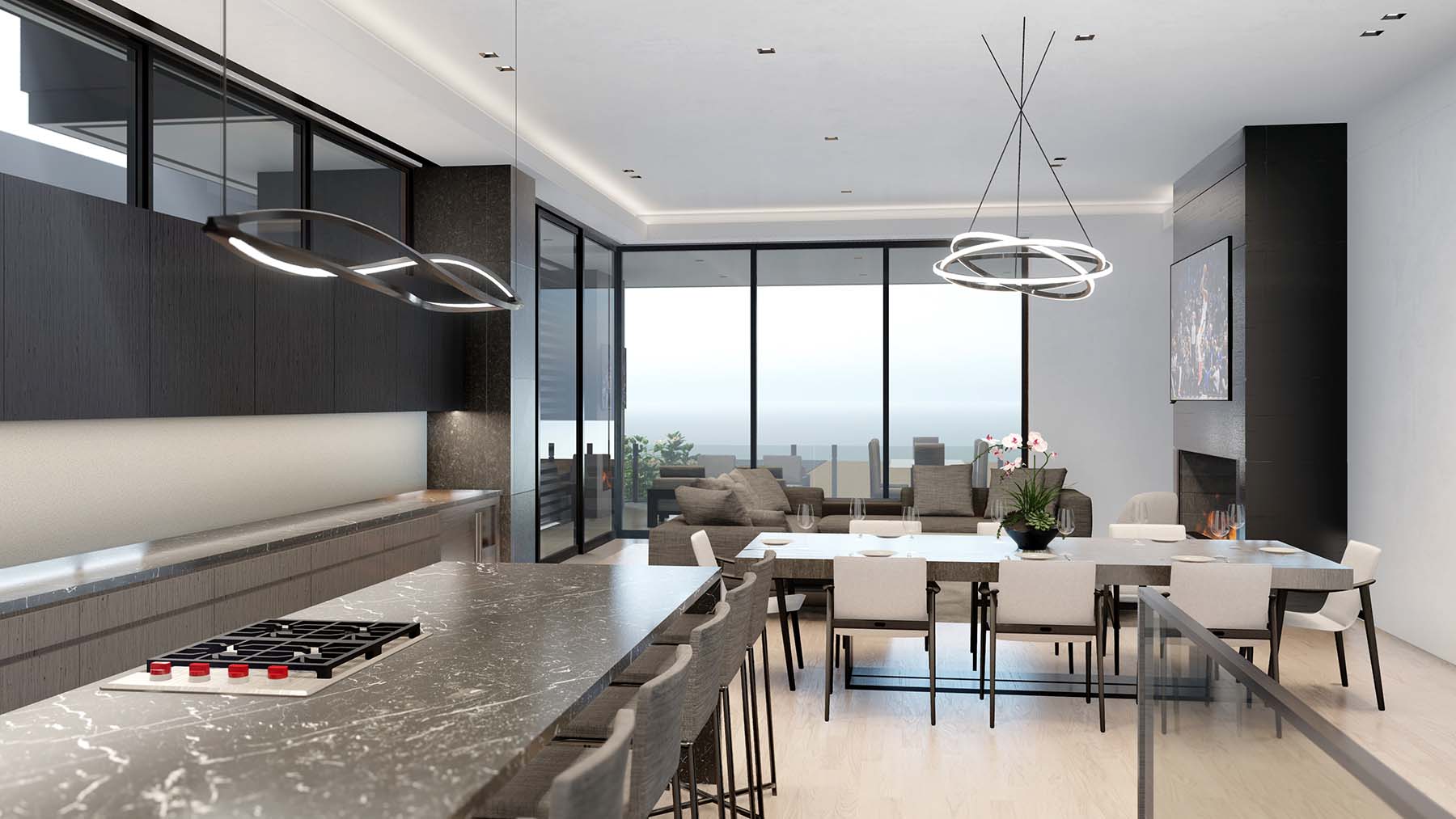
Architect C.P. Drewett and interior designer Holly Wright recently talked to Phoenix Home & Garden about their collaborative project, Paloma, offering a closer look at the design vision behind these high-end luxury townhomes in Scottsdale.
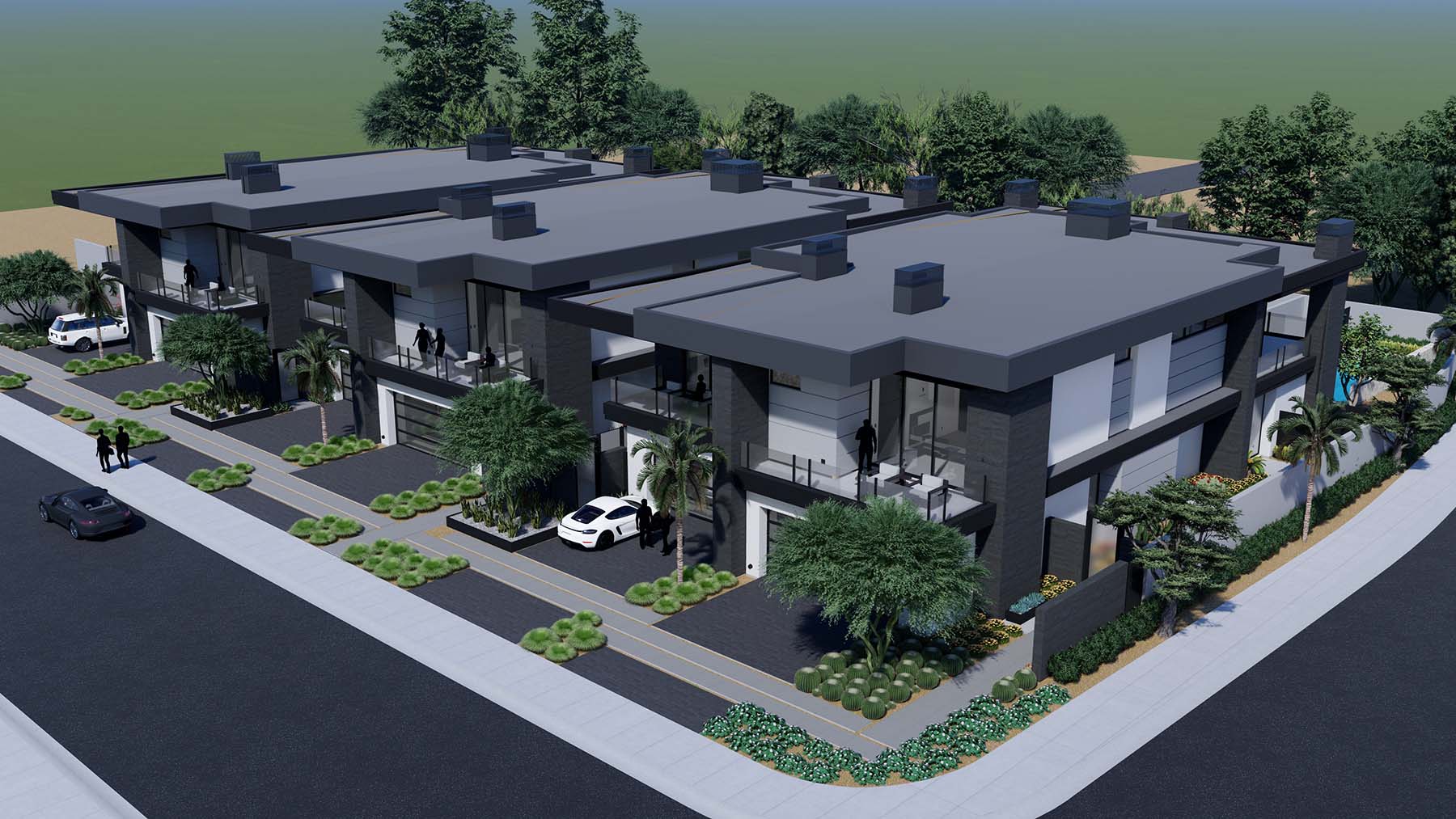
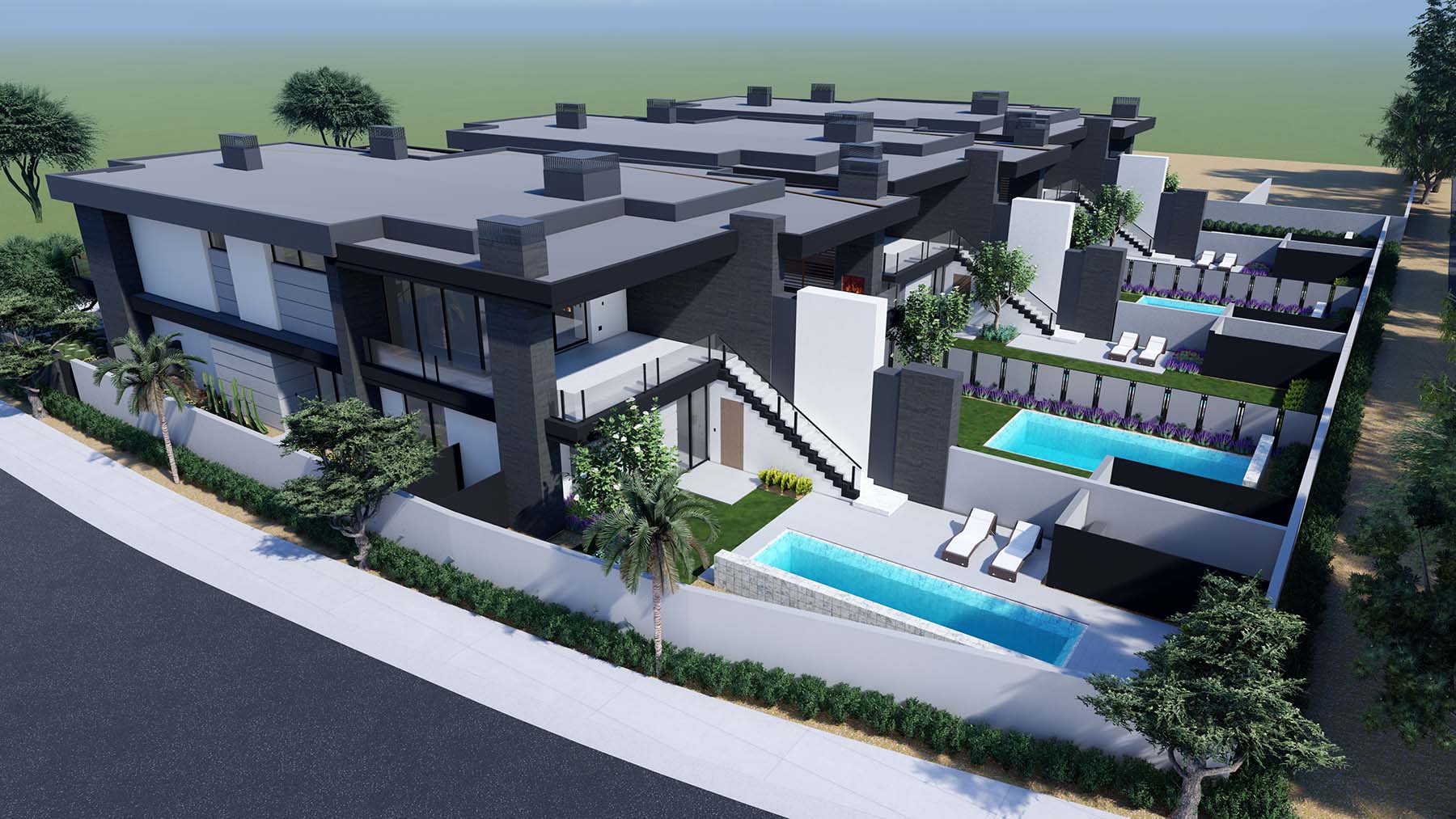
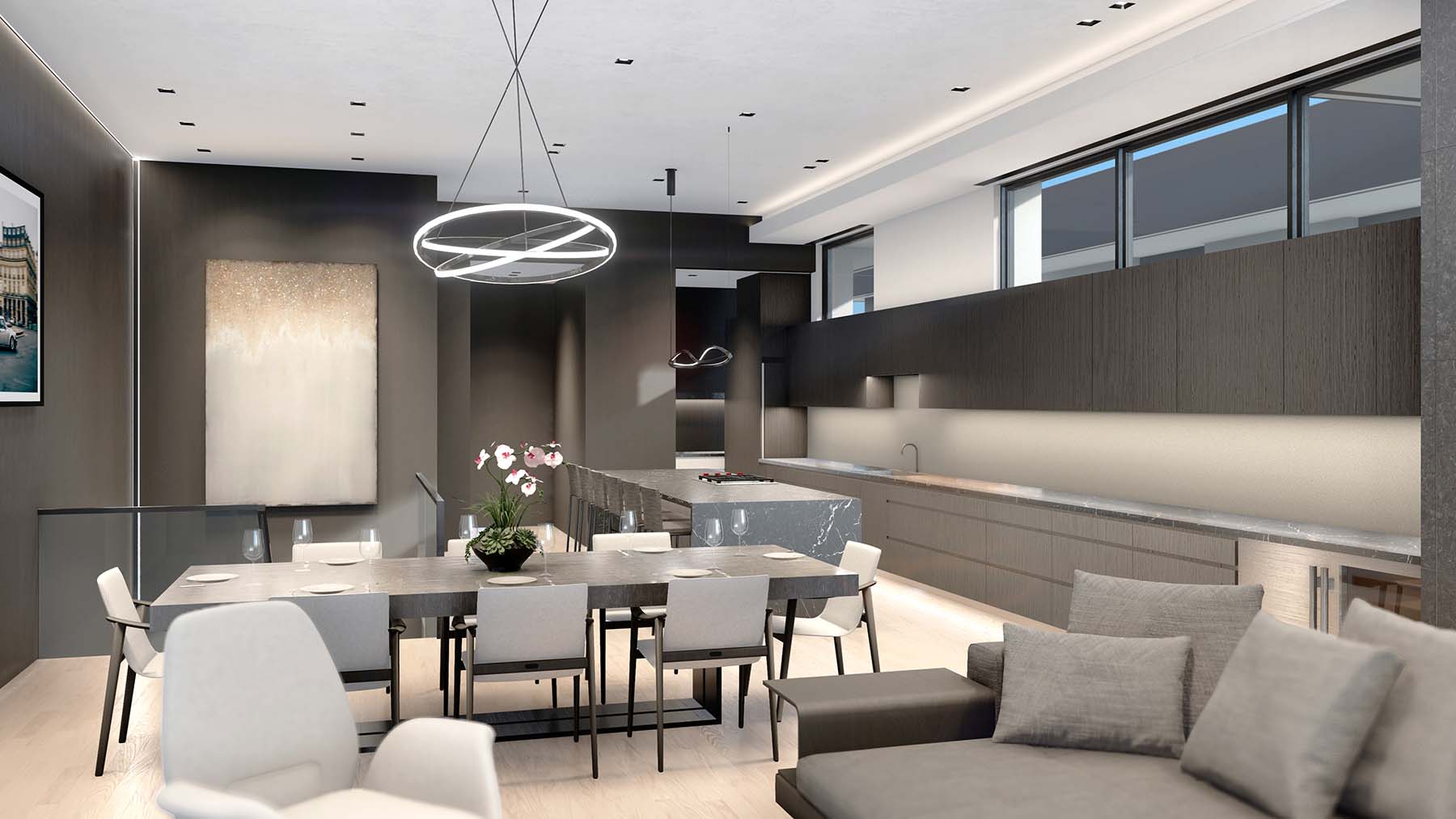
Two acclaimed Masters of the Southwest will bring modern, sustainable living to Scottsdale. Architect C.P. Drewett and interior designer Holly Wright are collaborating on luxury villas near McDonald Drive and Hayden Road. The 3,000 square-foot townhomes feature Eggersmann cabinetry, solar- and net-zero-ready design and an automation system that controls lighting, climate and entertainment. Residents won’t give up outdoor amenities. The homes boast private patios with mountain views and a yard with a pool. There are few townhomes that have this level of style, comfort and sustainability, its designers note.
“This is a pioneering effort,” Drewett says.
The homes are anticipated to be completed this fall; inquiries may be submitted online. Both Drewett and Wright shared how Paloma came to be and what prospective residents can expect.
Tell us about the Paloma project and how you’re remaking this plot that formerly was a single-family home.
C.P. DREWETT: It was originally owned by Sam Campana, (Scottsdale’s) previous mayor, and had been in the family there for some time. Our developer, Ed Gorman from MODUS Companies … he contacted me to take a look at it. I love these high-density infill areas quite a bit. It was really a unique property amidst all of these high-density condominiums. To reimagine it as a higher-density product there amid all that was fun. I think it’s going to encourage a bit of a renaissance in that whole area.
HOLLY WRIGHT: From an interior perspective, we focused on efficient layouts, natural light and durable, elevated finishes to ensure each unit feels intentional, livable and distinctly like home.
Where did you draw inspiration for these townhouses?
HOLLY WRIGHT: The inspiration came from a modern minimalist approach that emphasizes clarity, proportion and restraint. We focused on clean lines, natural materials and thoughtful simplicity — allowing light, space and function to define the interiors rather than excess detail.
C.P. DREWETT: Oftentimes, on these types of density projects, you’ll see the secondary spaces on the upper floors, and we flipped this one. On the lower levels … we mounted the garage and the guest bedrooms, and then flipped the primary suite and all the living spaces on what I’ll call the upper level.
We were able to get very prolific views of Camelback (Mountain), and you can also get a sense for the McDowells and a lot of our local iconic topography.
This is a pioneering effort. We didn’t really see any product necessarily that really fits this model.
These homes are net-zero ready, too?
C.P. DREWETT: A tremendous amount of effort goes into creating and crafting a net-zero project. Because of the number of projects Ed has done in the past, he has some arrows in his quiver that he’s used over the years and that he’s learned. So we were able to come alongside that knowledge, and then build upon it.
It’s a very sensitive solar study that we conducted on this building. … From an architectural standpoint, that’s one of the best things we could do is just sensible solar design. Then next up is, how do you specify equipment and get ratings on all that? That was the next layer of the onion for us to get this thing net zero.
I feel like what Ed brings to the table with regard to this aspect is, I think, among the finest environmental approach projects that we’ve worked on. … He does it because he really cares about it.
HOLLY WRIGHT: Sustainability was integrated through energy-efficient lighting and appliances, low-VOC materials and systems that support reduced energy and water use. These choices allow the homes to perform responsibly while maintaining a clean, modern aesthetic and long-term livability.
There are other unique features throughout these homes.
HOLLY WRIGHT: The homes feature an integrated automation system designed to simplify daily living while remaining unobtrusive. Lighting, climate and security are seamlessly controlled through a centralized platform, enhancing comfort, energy efficiency and ease of use without compromising the clean, minimalist design intent.
Lighting is also key, and you’ve opted for a quiet ceiling. Tell us about that and what it creates in these homes.
HOLLY WRIGHT: We opted for a quiet ceiling to reduce visual clutter and allow the architecture and materials to take focus. By integrating subtle, recessed lighting, we created a calm, ambient environment that enhances spatial clarity, emphasizes natural light and supports the overall minimalist aesthetic of the homes.
C.P. DREWETT: I think the living space is really unique. … Oftentimes, you see a density product where the interior spaces, the core spaces of the building, get forsaken from a natural daylighting standpoint. By putting all the livable spaces on the upper level, we were able to penetrate the perimeter of this building to a greater degree. … We were able to get a lot more natural light in.
From a home automation standpoint and lighting standpoint, it’s all pre-wired and prepared to control to the highest degree possible. Everything’s remarkably efficient, and all that helped us achieve the net-zero qualification.
Townhomes often lack outdoor space, but that’s not the case with Paloma. Tell us about those spaces and why that was a priority in your design.
HOLLY WRIGHT: Outdoor space was a key priority for Paloma, as it extends the living experience beyond the interiors and reinforces a sense of balance and well-being. Each home includes thoughtfully designed outdoor areas that function as natural extensions of the interior spaces, supporting light, air and everyday connection to the outdoors — an essential element often missing in townhome living.
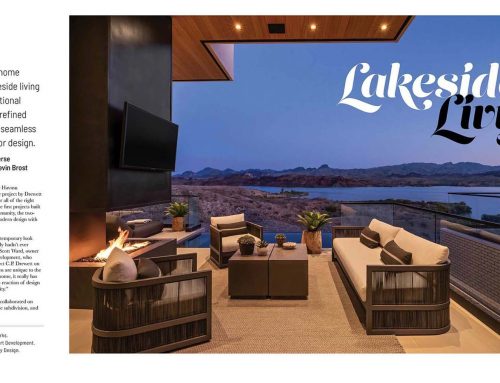
C.P. DREWETT: The primary suite, as well as our family room or great room, are both flanked by very oversized patios that give you a true sense of an indoor-outdoor space to the scale of what you’d feel with more like a single detached home. A lot of density products, the outdoor spaces are minimalized, and in this case, I think they’re really celebrated, so we get that true indoor-outdoor space. I think that’s one of the things that makes this project so special.
Covered patio space often just doesn’t get developed because they’re trying to maximize the property. We also have this remarkable outdoor living space that’s on the ground. So we have this great, great green space. Each unit has, I think, a remarkable pool and an outdoor living environment that is also not very common with this type of product.
We just wanted to make the greatest 3,000 square feet possible. We may have been able to squeeze another unit on and really entangle the site, but we felt like let’s give all these units a little more breathing room.