Clubhouses inside estate communities and boutique resorts have evolved far beyond their origins as simple gathering spaces. Today they serve as flagships for the development itself, expressing the brand story, elevating the resident or guest experience, and anchoring a sense of place. As developers continue to invest in lifestyle driven amenities, clubhouse architecture is becoming a powerful differentiator. The most successful designs pair refined aesthetics with a carefully curated program that supports connection, wellness, and memorable hospitality.
Below are the leading trends shaping boutique luxury clubhouse architecture and how they influence the way communities live, gather, and retreat.
A Strong Architectural Identity
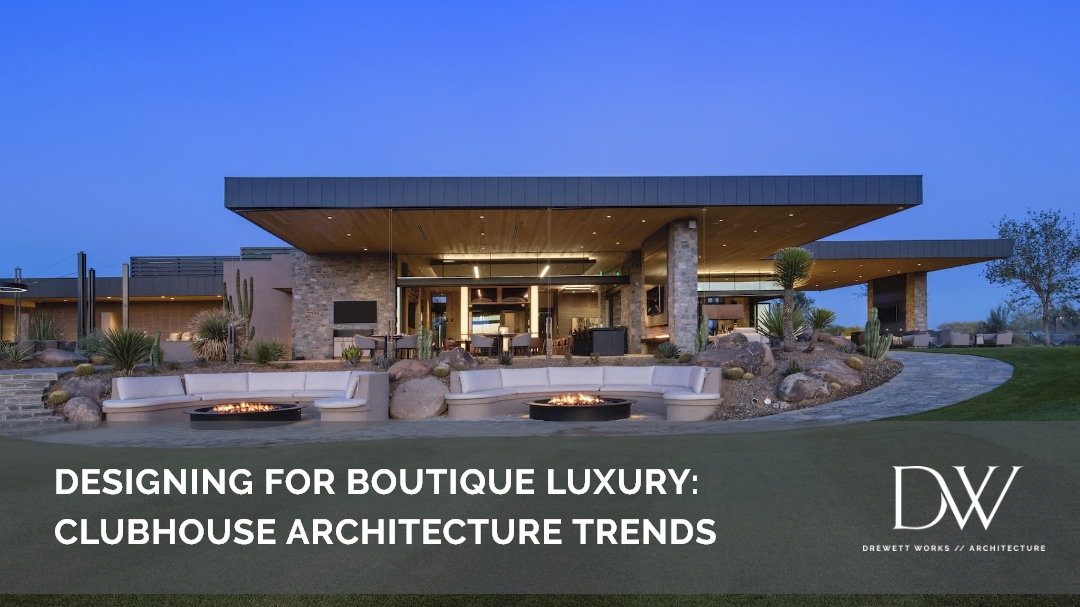
Boutique luxury developments are defined by a clear point of view. Clubhouses are now conceived as iconic structures that set the tone for the entire property. Instead of blending in, these buildings often become sculptural statements that celebrate local materials, contextual form, and the unique qualities of the landscape. A strong architectural identity signals quality to future buyers and creates a signature moment for the community. The aim is to create a building that feels both rooted and contemporary, with a restrained elegance that appeals to discerning guests and residents.
Experiential Programming That Extends Beyond the Expected
Modern clubhouses are no longer limited to fitness rooms and lounges. Developers are requesting spaces that support a more holistic lifestyle experience. This means wellness studios, demonstration kitchens, curated retail, immersive indoor to outdoor lounges, co working enclaves, and intimate areas for private events. When planned well, each program element enhances the others, resulting in a clubhouse that feels more like a boutique resort than an amenity building.
The experiential focus also requires designers to think carefully about flow. Transitions need to feel effortless. Spaces must welcome guests at every point in the day, from early morning sunlight to evening gatherings. Materials and lighting choices play a pivotal role, grounding the environment in warmth and comfort.
Seamless Indoor to Outdoor Living
Luxury development continues to prioritize strong relationships between architecture and the surrounding landscape. Clubhouses are now designed as a series of interconnected environments rather than a single enclosed structure. Retractable walls, shaded terraces, water features, and thoughtfully placed courtyards encourage guests to experience the property from multiple vantage points.
Outdoor spaces also support expanded programming. Dining terraces, fireplace lounges, fitness lawns, and quiet retreat nooks extend the usable square footage and create moments of discovery. These zones are not simply add ons. They are integral to the architectural narrative and often become the most memorable places within the development.
Materiality That Communicates Craft and Authenticity
Boutique luxury architecture embraces materials that age gracefully and reflect the character of the region. Natural stone, textured plaster, warm woods, and artisanal metalwork are commonly paired with refined detailing to produce a sense of timelessness. The clubhouse becomes a showcase for craftsmanship rather than ornamentation. Every touchpoint is designed to feel purposeful.
Developers and hospitality brands are increasingly drawn to materials with a story of origin. Locally sourced stone, handcrafted lighting, and custom millwork help reinforce the idea that the architecture is intimately tied to its environment. This authentic approach leaves a lasting impression and contributes to the development’s long term desirability.
Hospitality Meets Community Living
Elevated hospitality is now a key differentiator for estate communities. Clubhouse architecture reflects this shift by incorporating elements traditionally associated with resorts. Arrival sequences feel choreographed. Service areas are tucked away to maintain a seamless guest experience. Bars, lounges, and casual dining areas are designed with the same intention found in boutique hotels.
Residents and guests are not simply using the clubhouse. They are experiencing it. This hospitality mindset encourages longer visits, deeper engagement, and a stronger emotional connection to the property. For developers, this translates into brand loyalty and increased value.
Sustainability as a Design Imperative
Sustainable strategies are now integrated into the earliest phases of clubhouse design. Thoughtful orientation, daylighting, high performance glazing, native plant palettes, and water efficient systems are becoming standard. The focus is not only on environmental responsibility but on creating comfortable spaces that align with modern expectations for wellness and stewardship.
For boutique luxury properties, sustainability is not treated as an add on. It is woven into the architectural language and operational design, reinforcing a commitment to long term quality.
Boutique luxury clubhouses are shifting from amenity centers to highly curated destinations. They shape first impressions, elevate daily experiences, and express the vision of the development. As the market continues to evolve, the most successful designs will be those that blend aesthetic sophistication with purposeful programming and an authentic sense of place.
If you are developing a boutique resort or estate community and want a clubhouse that defines the character of your property, Drewett Works brings the design vision and technical expertise to make it happen. Our team crafts architectural experiences that elevate lifestyle, create lasting value, and reflect the unique story of each site. To explore how we can support your next project, contact us to begin a conversation.