In a recent appearance on Modern Home Masterminds by beSpoke Real Estate, Drewett Works founder and president C.P. Drewett offered an inside look at the experiences and philosophies that continue to shape the firm’s approach to modern luxury architecture.
The conversation traced Drewett’s journey from renovating homes alongside his father and serving in the Army National Guard to leading one of Arizona’s most recognizable architecture firms. That early exposure to craftsmanship and construction, he explains, laid the groundwork for his highly detailed, deeply experiential approach to design.
“My dad really taught me a great deal about the beauty of connections,” he shared during the interview, referencing the precision and intentionality that still guide his work today.
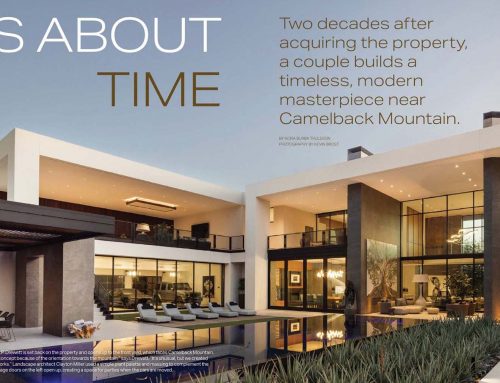
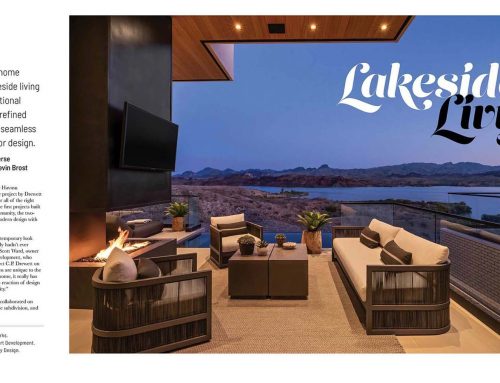
Throughout the episode, the architect discussed the importance of creating homes that feel both expressive and enduring—architecture that not only responds to a site but also elevates the experience of living within it. Several featured projects illustrated that philosophy, including contemporary residences in Arizona, including Paradise Valley, Arcadia, and the Phoenix Mountain Preserve, as well as Las Vegas.
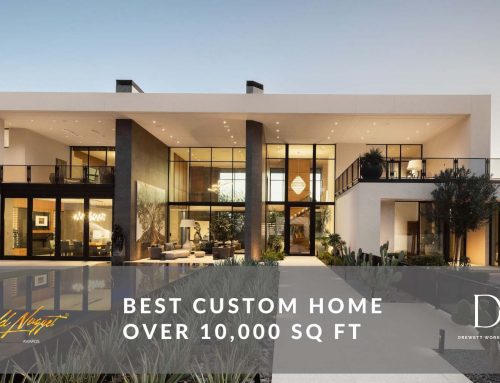
One particularly striking project in Las Vegas explored the idea of hierarchy through a dramatic folded roofline and a restrained, tonal material palette. Rather than relying on excessive contrast, Drewett notes his preference for architecture that feels timeless and approachable. “I’m not scared of the word elegant,” he says. “I feel like it helps make things more approachable.”
The discussion also touched on collaboration—a topic central to the Drewett Works process. Drewett emphasizes that strong design is rarely created in isolation and credited successful projects to open dialogue between architects, builders, interior designers and craftspeople.
“I love nothing more than another professional taking a canvas and making it better,” he explains. “If you have a really strong vision and a careful leadership hand in it, the collaborative process can be really amazing.”
Beyond architecture itself, the interview revealed how Drewett’s interests in music, hospitality, cooking and sensory experience inform the emotional qualities of his work. He describes cooking as one of the few activities capable of fully quieting his constantly active design mind—a creative outlet that parallels architecture through composition, timing and experience.