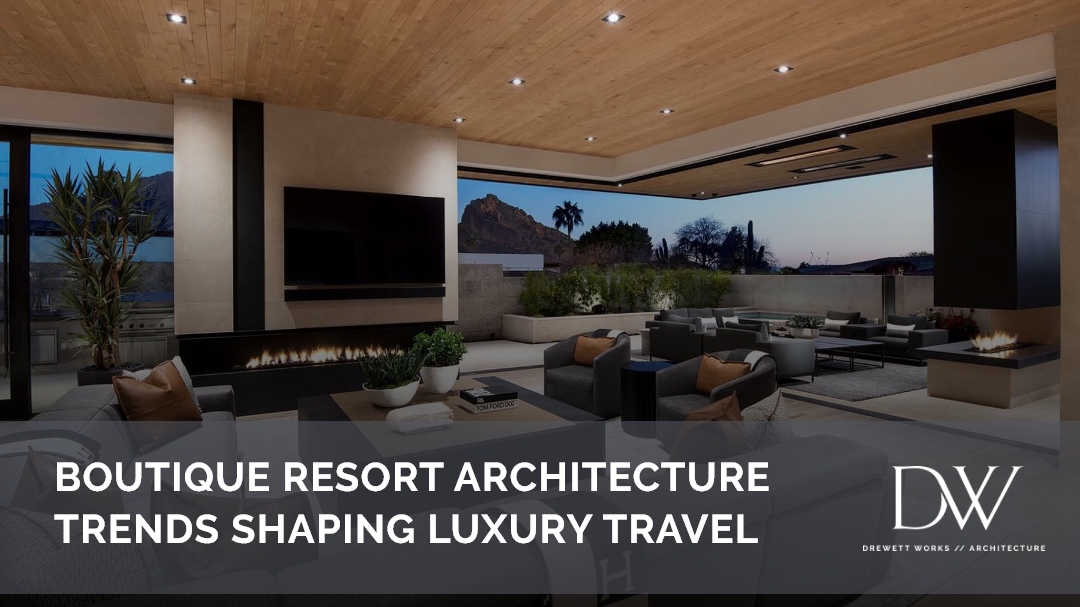
The leading boutique resort architecture trends shaping luxury travel today include wellness-focused design, seamless indoor-outdoor living, sustainable building practices, personalized guest experiences, and architecture that creates a strong connection to place. As travelers increasingly seek authentic and memorable destinations, resort developers are prioritizing designs that offer more than accommodations—they create experiences.
Unlike traditional hospitality models that often emphasize scale and consistency, boutique resorts are evolving around exclusivity, local character, and experiential design. Architecture plays a central role in this shift, influencing how guests interact with a property, connect with the surrounding landscape, and remember their stay long after they return home.
As luxury travel continues to evolve, several architectural trends are helping define the future of boutique hospitality.
Travelers Are Seeking Authentic Experiences
Modern luxury travelers increasingly value experiences over amenities alone. Rather than simply staying at a beautiful property, guests want to feel immersed in a destination.
This shift has encouraged architects and developers to move away from generic hospitality models and toward designs that respond directly to local culture, climate, and landscape.
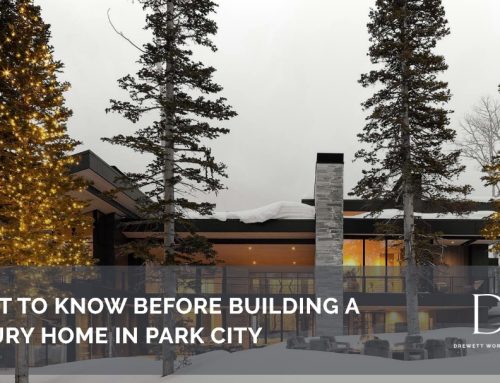
Whether located along a coastline, within a mountain setting, or in a desert environment, successful boutique resorts create a sense of place that cannot be replicated elsewhere. Architecture becomes a way of telling the story of a destination and helping guests form a deeper connection with it.
Wellness-Focused Design Continues to Grow
Wellness is no longer viewed as a specialty offering within luxury hospitality. It has become an expectation.
Many boutique resorts now incorporate wellness into the overall guest experience through architecture and planning rather than simply adding a spa facility. Thoughtful design can encourage relaxation, movement, and connection to nature throughout the property.
Popular wellness-focused design features include:
- Outdoor fitness and yoga spaces
- Walking and hiking trails
- Meditation gardens
- Spa and recovery facilities
- Natural ventilation
- Access to daylight and views
- Water features and quiet retreat spaces
The goal is to create environments that support physical and mental well-being while enhancing the overall guest experience.
Sustainable Luxury Is Becoming the Standard
Luxury travelers increasingly value environmental responsibility. As a result, sustainability has become an important component of hospitality design.
Rather than treating sustainability as a separate initiative, many boutique resorts are integrating environmental stewardship directly into the architectural approach.
Examples include:
- Passive cooling strategies
- Energy-efficient building systems
- Local and regional materials
- Native landscaping
- Water conservation measures
- Reduced site disturbance
- Long-lasting, durable materials
When implemented thoughtfully, sustainability can enhance both guest experience and long-term operational performance while reinforcing the authenticity of a destination.
Indoor-Outdoor Hospitality Environments
One of the defining characteristics of modern luxury hospitality is the seamless transition between indoor and outdoor spaces.
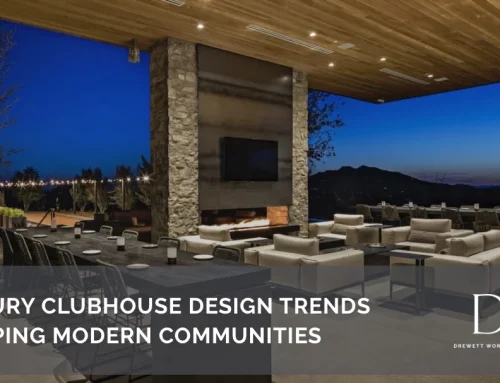
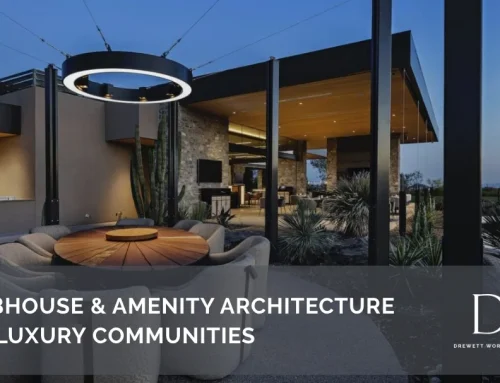
Guests increasingly seek opportunities to engage with their surroundings throughout their stay. Open-air lounges, outdoor dining venues, shaded terraces, courtyards, and gathering spaces allow visitors to experience the climate and landscape in meaningful ways.
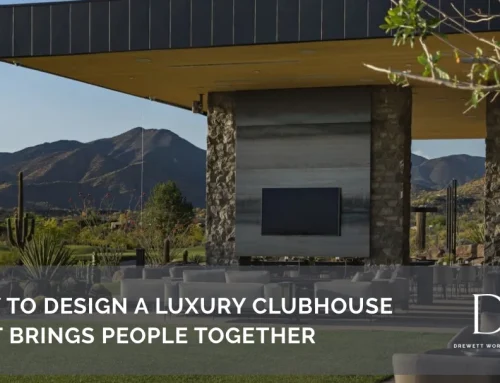
This approach is especially important in destinations known for natural beauty, including coastal regions, mountain communities, and desert environments.
Rather than viewing architecture and landscape as separate elements, successful boutique resorts blend the two into a unified guest experience.
Smaller and More Personalized Resorts
Many travelers are choosing boutique destinations specifically because they offer a level of intimacy that larger resorts often cannot match.
Rather than maximizing room counts, many new hospitality developments prioritize quality over quantity. Smaller properties often allow for:
- More personalized service
- Greater privacy
- Stronger guest connections
- Unique accommodations
- Distinctive design experiences
Architecture supports this trend by creating environments that feel curated rather than standardized.
The result is a hospitality experience that feels more exclusive and memorable.
Experiences Drive Design Decisions
Today’s travelers often select destinations based on the experiences they hope to have rather than simply the accommodations themselves.
As a result, architecture is increasingly focused on creating opportunities for exploration, gathering, wellness, recreation, and connection.
Examples include:
- Rooftop lounges
- Outdoor event spaces
- Culinary experiences
- Wellness retreats
- Adventure-focused amenities
- Community gathering areas
The most successful boutique resorts view architecture as a framework for creating meaningful experiences rather than simply providing shelter.
Branded Hospitality and Lifestyle Experiences
Another growing trend within luxury hospitality is the rise of branded experiences.
Luxury travelers increasingly seek destinations that align with their lifestyle preferences and personal values. Hospitality brands are responding by creating highly curated environments that reflect a consistent identity and guest experience.
Architecture plays a critical role in expressing these brand values. Design helps communicate a property’s character while differentiating it from competitors in an increasingly crowded marketplace.
For developers, architecture can become one of the most powerful tools for building brand recognition and long-term value.
Designing for Multi-Generational Travel
Luxury travel increasingly involves families and multiple generations traveling together.
As a result, boutique resorts are designing spaces that accommodate a wider range of guests and activities.
Popular design considerations include:
- Flexible accommodations
- Shared gathering spaces
- Private retreats
- Family-focused amenities
- Wellness offerings for all ages
- Indoor and outdoor activity areas
Architects are creating environments that encourage connection while still providing opportunities for privacy and personal experiences.
The Future of Boutique Resort Architecture
While hospitality trends continue to evolve, several themes are likely to remain central to luxury travel: authenticity, wellness, sustainability, personalization, and meaningful connections to place.
The most successful boutique resorts will continue to embrace these principles through architecture that responds to its setting while creating memorable guest experiences.
Rather than relying on trends alone, enduring hospitality design focuses on creating environments that feel timeless, purposeful, and deeply connected to their surroundings.
As luxury travelers become increasingly selective, thoughtful architecture will remain one of the most important differentiators in the hospitality industry.
Building a Destination Worth Remembering
Exceptional hospitality experiences begin with thoughtful design. Whether developing a boutique resort, branded residential community, or destination-driven hospitality concept, architecture can help establish a strong sense of place while creating memorable experiences for guests.
Drewett Works collaborates with developers and hospitality visionaries to create distinctive environments that respond to their surroundings and support long-term success. To discuss an upcoming hospitality project, contact Drewett Works.