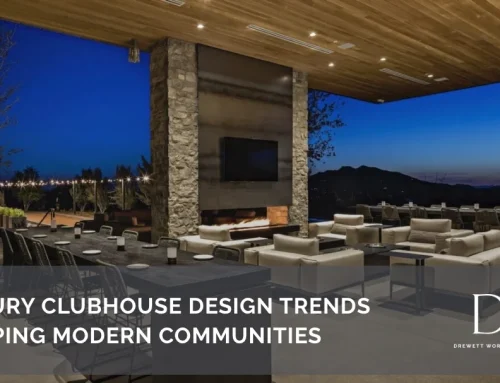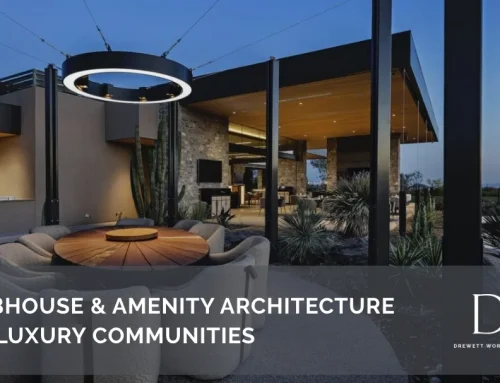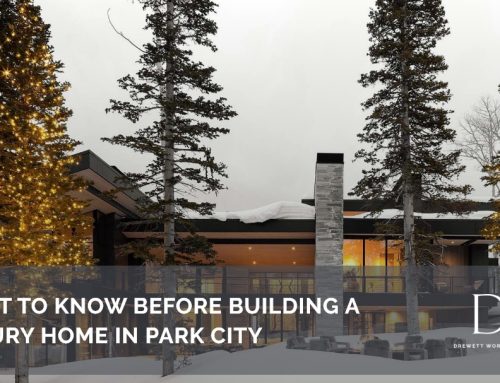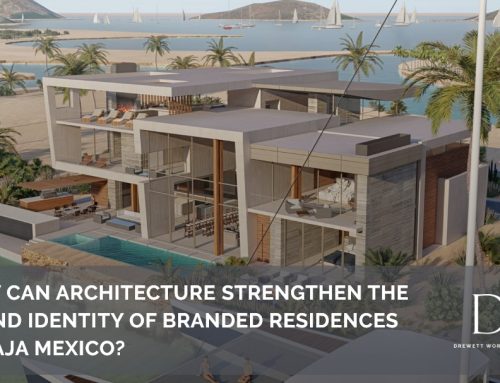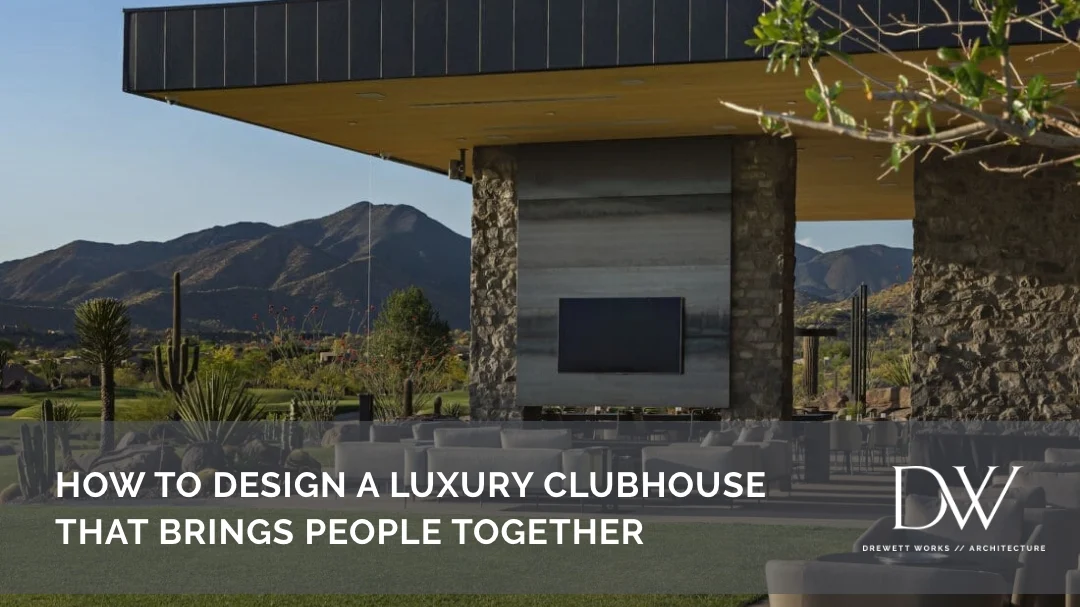
A luxury clubhouse brings people together by creating welcoming spaces that encourage connection, support a variety of lifestyles, and feel like a natural extension of the surrounding community. Successful clubhouse design balances hospitality-inspired amenities, flexible gathering spaces, indoor-outdoor living, and thoughtful architecture that reflects both the character of the development and the people who call it home.
In today’s luxury residential communities, the clubhouse is much more than an amenity building. It often serves as the social heart of the neighborhood—a place where residents meet friends, enjoy wellness activities, host celebrations, work remotely, or simply relax. For developers, a thoughtfully designed clubhouse can strengthen community identity, enhance marketability, and create long-term value that extends well beyond the initial sale of a home.
Begin with the Community’s Lifestyle
Every successful clubhouse begins by understanding the lifestyle it is meant to support.
A golf community will have different priorities than a mountain retreat, waterfront development, or wellness-focused residential neighborhood. Before designing spaces or selecting amenities, it’s important to understand how residents are expected to live, gather, and interact.
Questions that often guide the design process include:
- Will residents entertain frequently?
- Is wellness a central focus?
- Are families the primary audience?
- Will the clubhouse serve year-round or seasonally?
- What types of events will be hosted?
- How will outdoor spaces be used?
The answers help shape every architectural decision that follows.
Create a Memorable Arrival Experience
First impressions establish expectations.
The arrival sequence should communicate the character of the community while creating a welcoming experience for residents and guests. Driveways, landscaping, entry courtyards, porte-cochères, and the architecture itself all contribute to this first impression.
A thoughtfully designed arrival experience creates a sense of destination while reinforcing the identity of the development.
Rather than simply arriving at a building, residents should feel as though they are entering the heart of their community.
Design Spaces That Encourage Connection
One of the primary goals of clubhouse architecture is creating opportunities for people to come together naturally.
Successful clubhouses include a variety of gathering spaces that support both planned events and everyday interactions. Rather than relying on one large room, many projects benefit from offering spaces of different sizes and purposes.
Popular gathering spaces include:
- Great rooms
- Coffee lounges
- Restaurants and bars
- Outdoor patios
- Fire pit seating areas
- Private dining rooms
- Event lawns
- Game rooms
These spaces encourage residents to spend more time within the community while fostering lasting relationships among neighbors.
Balance Activity with Privacy
Not every resident visits the clubhouse for the same reason.
Some may be attending community events, while others are looking for a quiet place to read, exercise, or work remotely. Great clubhouse design recognizes these varying needs by creating a balance between active social spaces and quieter environments.
Private lounges, wellness areas, outdoor courtyards, libraries, and secluded seating areas provide opportunities for relaxation while remaining connected to the larger community.
This balance helps ensure the clubhouse feels welcoming to a broad range of residents.
Embrace Indoor-Outdoor Living
Many of today’s luxury communities are designed around an active outdoor lifestyle.
Covered terraces, open-air lounges, outdoor kitchens, pools, event lawns, and walking paths allow residents to enjoy the surrounding landscape throughout the year.
Rather than separating interior and exterior spaces, successful clubhouse architecture creates a seamless transition between them. Large expanses of glass, covered gathering areas, and thoughtfully positioned outdoor rooms make the landscape an integral part of the overall experience.
Whether overlooking mountains, golf courses, coastlines, or desert vistas, these outdoor spaces often become some of the community’s most popular destinations.
Design Flexible, Multi-Purpose Spaces
Lifestyle preferences continue to evolve, and clubhouse architecture should evolve with them.
Many communities benefit from spaces that can accommodate multiple functions throughout the day. A lounge may serve as a casual coffee space in the morning, a co-working environment during the afternoon, and a venue for social gatherings in the evening.
Flexible spaces allow communities to host a wider variety of events while making better use of the building year-round.
This adaptability also helps future-proof the clubhouse as resident needs continue to change.
Make Wellness Part of Everyday Life
Wellness has become one of the defining features of modern luxury communities.
Rather than isolating fitness facilities within a single room, many developers are integrating wellness throughout the clubhouse experience.
Amenities may include:
- Fitness centers
- Yoga and movement studios
- Spa and recovery areas
- Resort-style pools
- Walking trails
- Outdoor exercise spaces
- Meditation gardens
Thoughtfully designed wellness amenities encourage residents to spend more time enjoying the community while supporting healthier lifestyles.
Reflect the Character of the Community
Architecture should reinforce the identity of the development rather than compete with it.
A mountain community may emphasize natural stone, timber, and expansive views. A coastal clubhouse may prioritize light-filled interiors, open-air gathering spaces, and connections to the water. Desert communities often embrace shaded outdoor environments, authentic materials, and architecture that responds to the surrounding landscape.
When the clubhouse reflects its setting, it becomes an authentic extension of the community rather than simply another building.
Create Lasting Value Through Design
A clubhouse is often one of the most visible investments within a luxury development.
Thoughtful architecture can strengthen the community’s identity, support premium home values, encourage resident engagement, and help attract future buyers. More importantly, it creates spaces where memories are made, relationships develop, and everyday life unfolds.
Rather than focusing solely on amenities, successful clubhouse design creates experiences that residents continue to value long after the community is complete.
Begin with Thoughtful Design
A luxury clubhouse should do more than provide amenities—it should become the social and architectural heart of the community. When thoughtfully designed, these spaces bring people together, strengthen community identity, and create experiences that residents enjoy for years to come.
Whether planning a private residential development, golf community, resort destination, or branded residential project, Drewett Works collaborates with developers to design clubhouses that reflect the character of the community while supporting the lifestyle it was created to inspire. Contact Drewett Works to discuss your next clubhouse or amenity project.