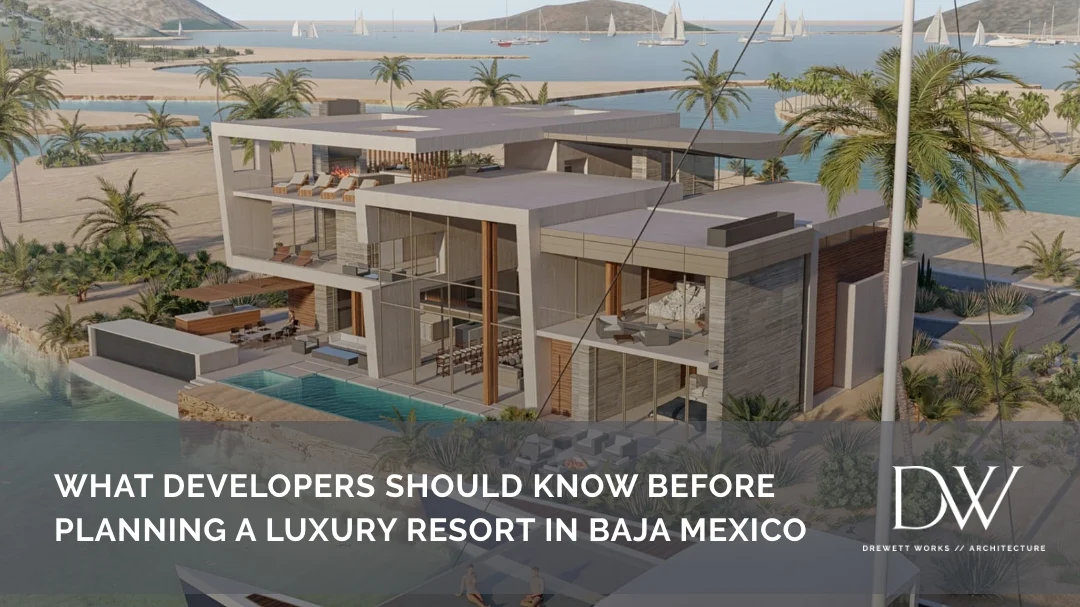
Developers planning a luxury resort in Baja Mexico should begin by evaluating the site’s environmental conditions, development regulations, infrastructure, target guest experience, and architectural identity. Successful resort development requires more than selecting a beautiful coastal property. It involves creating a destination that responds to the landscape, supports efficient hospitality operations, and distinguishes itself within a sophisticated luxury market.
From Cabo San Lucas and San José del Cabo to the quieter coastal settings of Loreto, Baja California Sur offers opportunities for boutique hotels, private resorts, branded residences, and luxury lifestyle communities.
Understand the Distinct Character of the Location
Baja California Sur is not a uniform hospitality market. Los Cabos is an established international luxury destination with resorts, private residential communities, golf developments, and visitor infrastructure. Loreto offers a quieter coastal environment with dramatic desert landscapes and proximity to the Sea of Cortez.
A boutique resort in Loreto may emphasize privacy, understated architecture, and immersion in nature. A luxury Cabo development may require a broader amenity program and a distinctive identity within a competitive market. The concept should reflect the specific destination.
Begin with Comprehensive Site Analysis
Ocean views, desert terrain, rocky hillsides, vegetation, and elevation changes shape the guest experience. These same features can create challenges involving access, grading, drainage, infrastructure, and construction.
Early evaluation should address topography, views, coastal setbacks, environmental restrictions, solar orientation, winds, stormwater, service access, utilities, and ecologically sensitive areas. Thoughtful planning positions buildings to capture views and preserve landscape features.
Establish the Resort’s Positioning Before Designing
A boutique hotel, private wellness retreat, branded residential resort, and large destination resort may occupy similar sites but require very different programs. Developers should define their primary guests, privacy expectations, accommodation model, essential amenities, and market differentiators.
These decisions influence building placement, circulation, accommodation types, and the master plan. Architecture should reinforce the resort’s positioning rather than attempt to establish it after the concept is fixed.
Create an Architectural Identity Rooted in Baja
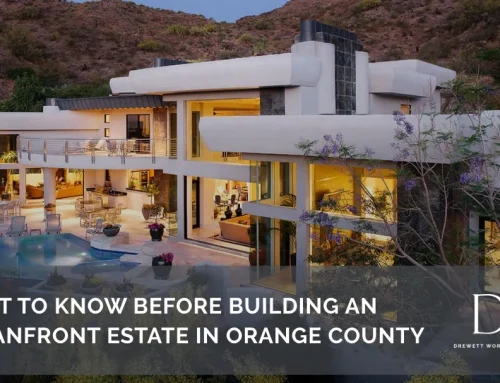
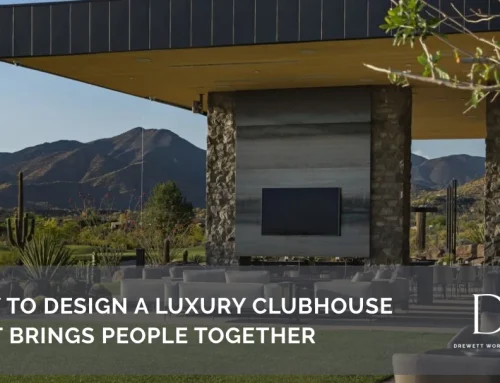
Luxury travelers increasingly value destinations connected to their surroundings. Baja offers an opportunity to create architecture shaped by desert and sea. Natural stone, earth tones, textured materials, shaded courtyards, and framed ocean views can establish a meaningful relationship with the landscape.
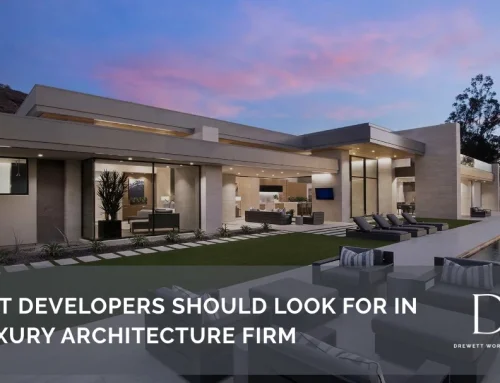
Contemporary architecture can respond through restrained forms and natural materials without copying a predetermined regional style. The objective is an authentic architectural language that supports the guest experience.
Plan the Guest Experience from Arrival to Departure
Arrival, landscape, reception, pathways, views, and relationships between buildings all contribute to a property’s identity. Guests might enter through a shaded corridor before discovering an ocean view from the reception terrace. Pathways then lead to accommodations, wellness spaces, dining, and the beach.
Each transition reinforces the resort’s character. Planning should also separate guest and service circulation where appropriate to preserve a calm experience.
Balance Privacy with Shared Amenities
Privacy is a defining expectation in many luxury resorts, particularly those with villas or branded residences. Guests also expect memorable restaurants, pools, wellness facilities, and gathering spaces.
Position accommodations to consider views, privacy, noise, and access to shared destinations. For combined hotel and residential projects, distinguish guest amenities, residential privileges, and shared facilities early to avoid circulation and operational conflicts.
Design for Baja’s Coastal Desert Climate
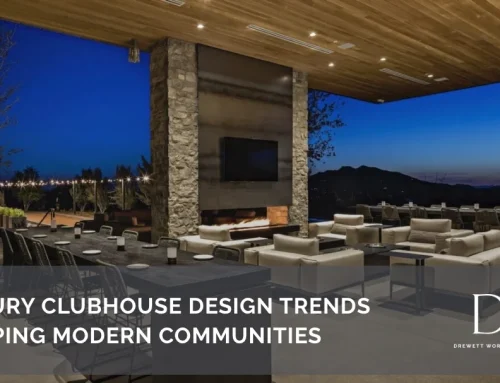
Outdoor living is central to the region’s appeal, but solar exposure, heat, wind, salt-laden air, and seasonal storms require careful attention. Deep overhangs, shaded terraces, protected courtyards, appropriate glazing, durable exterior finishes, local landscaping, and stormwater management can improve comfort and durability.
Qualified local consultants should confirm strategies for the property’s particular conditions.
Understand Mexican Development and Approval Requirements
Resort development in Mexico requires coordination with qualified local professionals. Depending on the site, approvals may involve land use, municipal construction permits, environmental review, utilities, and coastal-zone requirements.
Shoreline properties may be affected by Mexico’s federal maritime-terrestrial zone (ZOFEMAT). Protected-area restrictions may also apply. Engage Mexican legal counsel, locally authorized architects, engineers, environmental specialists, and permitting professionals early.
A U.S. architecture firm may contribute to concept design and architectural development, while appropriately authorized Mexican professionals address local professional, permitting, and documentation requirements.
Consider Infrastructure and Operations Early
Water, wastewater, electrical infrastructure, communications, emergency access, deliveries, housekeeping, laundry, and maintenance influence feasibility and layout. Some properties require significant infrastructure investment before construction.
Dining venues and hospitality amenities also require back-of-house space, service routes, and storage. These considerations belong in early design.
Plan for Long-Term Development
Some luxury resorts are developed in phases, especially those incorporating villas or branded residences. A master plan should anticipate future accommodation clusters, wellness facilities, residential neighborhoods, and infrastructure while preserving a cohesive architectural identity.
Architecture for Baja’s Next Luxury Destinations
Drewett Works brings a refined, modern architectural perspective to luxury residential and hospitality-inspired environments, emphasizing natural materials and site-responsive design. Whether envisioning a boutique resort, villa community, or branded residential destination in Cabo or Loreto, contact Drewett Works to discuss your architectural vision.