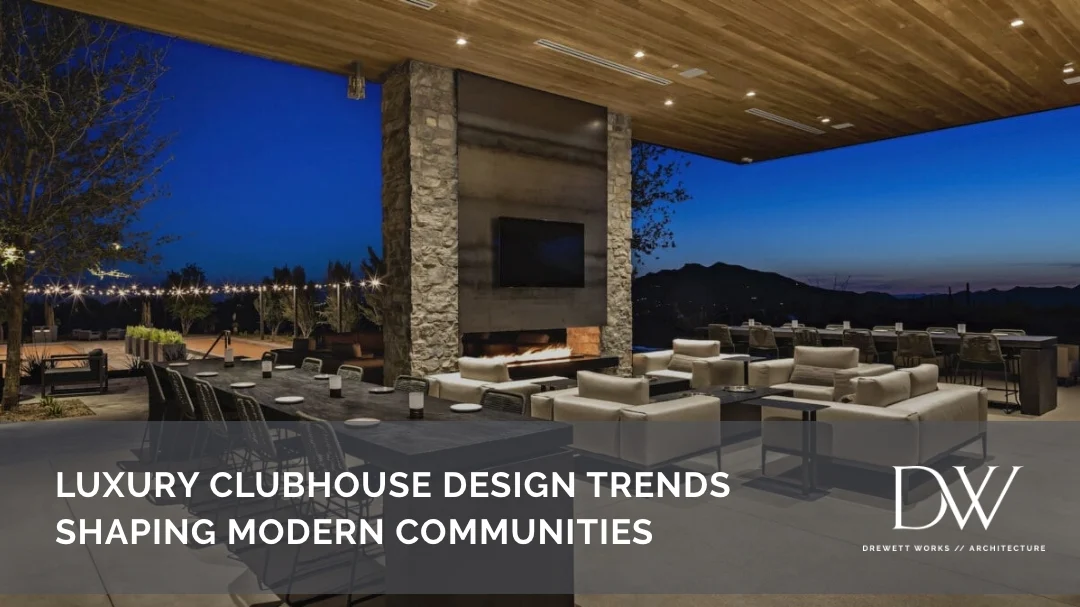
Luxury clubhouse design is evolving beyond traditional recreation spaces to create destinations that foster connection, support wellness, and reflect the lifestyle of an entire community. Today’s most successful clubhouses combine hospitality-inspired amenities, flexible gathering spaces, seamless indoor-outdoor living, and architecture that responds to the surrounding landscape. Rather than simply offering amenities, modern clubhouses are designed to become the social heart of luxury residential developments.
As homeowners increasingly seek communities that provide meaningful experiences, developers are investing in amenity spaces that rival boutique resorts and private clubs. Architecture plays a central role in creating these destinations, helping establish a community’s identity while delivering lasting value for residents.
Here are some of the trends shaping luxury clubhouse design today.
Hospitality-Inspired Design
Many of today’s luxury communities are borrowing ideas from boutique hotels and luxury resorts.
Instead of designing a clubhouse as a traditional community building, developers are creating welcoming destinations where residents want to spend time throughout the day. Comfortable lounges, concierge-style arrival spaces, outdoor dining areas, and thoughtfully designed gathering spaces create an experience that feels more like a luxury resort than a neighborhood clubhouse.
This hospitality-driven approach encourages residents to use the amenities more frequently while strengthening the identity of the community.
Wellness Is a Priority
Wellness has become one of the defining trends in luxury residential development.
Modern clubhouses increasingly incorporate spaces that support physical and mental well-being rather than limiting wellness to a traditional fitness room.
Popular wellness amenities include:
- Fitness centers
- Yoga and movement studios
- Spa and recovery spaces
- Sauna and steam rooms
- Cold plunge pools
- Walking and biking trails
- Meditation gardens
- Outdoor exercise spaces
Integrating wellness throughout the clubhouse experience creates environments that support healthier lifestyles while encouraging residents to spend more time within the community.
Indoor-Outdoor Living
One of the most significant shifts in clubhouse architecture is the emphasis on seamless indoor-outdoor living.
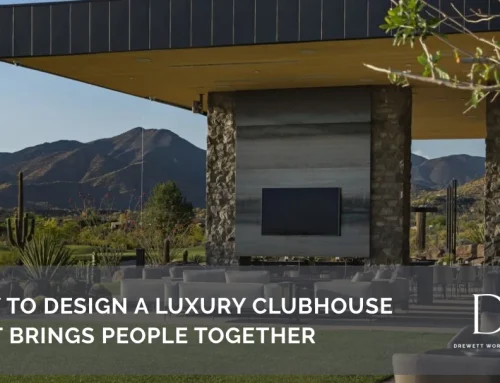
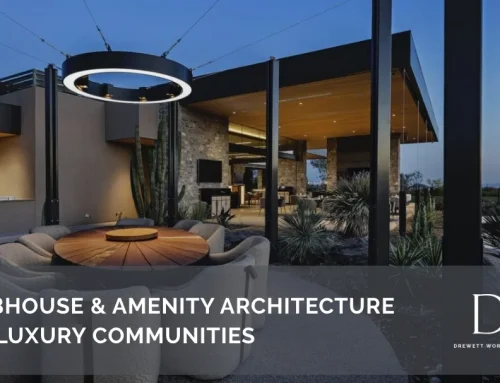
Large sliding glass walls, covered terraces, outdoor lounges, fire features, dining patios, and resort-style pools allow residents to enjoy the surrounding environment year-round.
Whether overlooking mountains, coastlines, golf courses, lakes, or desert landscapes, outdoor spaces are becoming just as important as the interiors themselves.
The goal is to create architecture that feels connected to its setting rather than separated from it.
Flexible Gathering Spaces
Residents expect clubhouse spaces to accommodate a variety of activities throughout the day.
Rather than designing rooms for a single purpose, many communities are embracing flexible spaces that easily adapt to changing needs.
A lounge might function as:
- Morning coffee space
- Remote work environment
- Afternoon meeting area
- Evening social gathering
- Private event venue
This flexibility improves the overall functionality of the clubhouse while allowing communities to host a wider variety of events and programming.
Outdoor Amenities Continue to Expand
Luxury community life increasingly extends beyond the clubhouse walls.
Outdoor amenities have become an essential part of the overall experience and often include:
- Resort-style pools
- Outdoor kitchens
- Fire pits
- Event lawns
- Pickleball courts
- Tennis courts
- Walking trails
- Children’s play areas
- Dog parks
- Garden spaces
These environments encourage residents to spend more time outdoors while strengthening the connection between architecture and the surrounding landscape.
Designing for Multiple Generations
Many luxury communities now serve homeowners across multiple generations.
Clubhouses are evolving to provide experiences for families, young professionals, retirees, and visiting guests. This often includes a mix of active and quiet spaces designed to accommodate different lifestyles and preferences.
Successful clubhouses offer opportunities for both social interaction and personal retreat, ensuring every resident can enjoy the amenities in a way that fits their daily routine.
Authentic Materials and Timeless Design
While clubhouse trends continue to evolve, timeless architecture remains the foundation of successful community design.
Natural stone, wood, steel, glass, and other authentic materials create buildings that feel connected to their surroundings while aging gracefully over time.
Rather than following short-lived design trends, many luxury developments emphasize craftsmanship, proportion, and materials that reflect the character of the site.
This approach creates clubhouses that remain relevant for decades rather than years.
Technology That Supports the Resident Experience
Technology is becoming an increasingly important part of clubhouse design, but often in subtle ways.
Communities are incorporating features such as:
- Smart building systems
- High-speed Wi-Fi
- Flexible co-working spaces
- Reservation systems for amenities
- Integrated audiovisual technology
- Energy-efficient building systems
The goal is to enhance convenience without allowing technology to overshadow the architectural experience.
Designing Around the Community
Perhaps the most important trend is one that has remained consistent over time: every clubhouse should reflect the community it serves.
A mountain community should feel different from a coastal development. A golf community will have different priorities than a wellness-focused neighborhood or an equestrian development.
Rather than repeating the same design across multiple projects, successful clubhouse architecture responds to the landscape, climate, lifestyle, and long-term vision of the community.
This creates destinations that feel authentic, memorable, and unique.
Looking Ahead
As luxury residential communities continue to evolve, clubhouse architecture will increasingly emphasize flexibility, wellness, hospitality, and meaningful experiences. The most successful projects will move beyond simply providing amenities and instead create environments where residents naturally gather, connect, and enjoy everyday life.
Thoughtful architecture remains one of the most valuable investments developers can make, helping define the character of a community while creating spaces that residents continue to enjoy for generations.
Frequently Asked Questions
Create Amenities That Define the Community
Exceptional clubhouse design is about more than providing amenities—it is about creating experiences that strengthen community identity and enrich everyday life. When architecture reflects the surrounding landscape and supports the lifestyle of its residents, the clubhouse becomes a destination people genuinely enjoy using.
Whether planning a luxury residential community, golf development, resort destination, or branded residential project, Drewett Works partners with developers to create distinctive clubhouse and amenity environments designed for lasting value. Contact Drewett Works to discuss your next community project.