The Evolution of Luxury Mountain Living in Park City
Park City has become one of the most sought-after luxury destinations in the American West. With its alpine scenery, world-class skiing, and growing collection of architecturally significant homes and communities, the area continues to attract homeowners seeking something more meaningful than a traditional mountain house.
Today’s luxury mountain architecture in Park City is no longer defined solely by size or amenities. Instead, it is shaped by a deeper relationship between architecture, landscape, lifestyle, and experience. The focus has shifted toward homes that feel timeless, connected to nature, and designed specifically for the way people want to live in mountain environments.
Modern Alpine Architecture Rooted in Nature
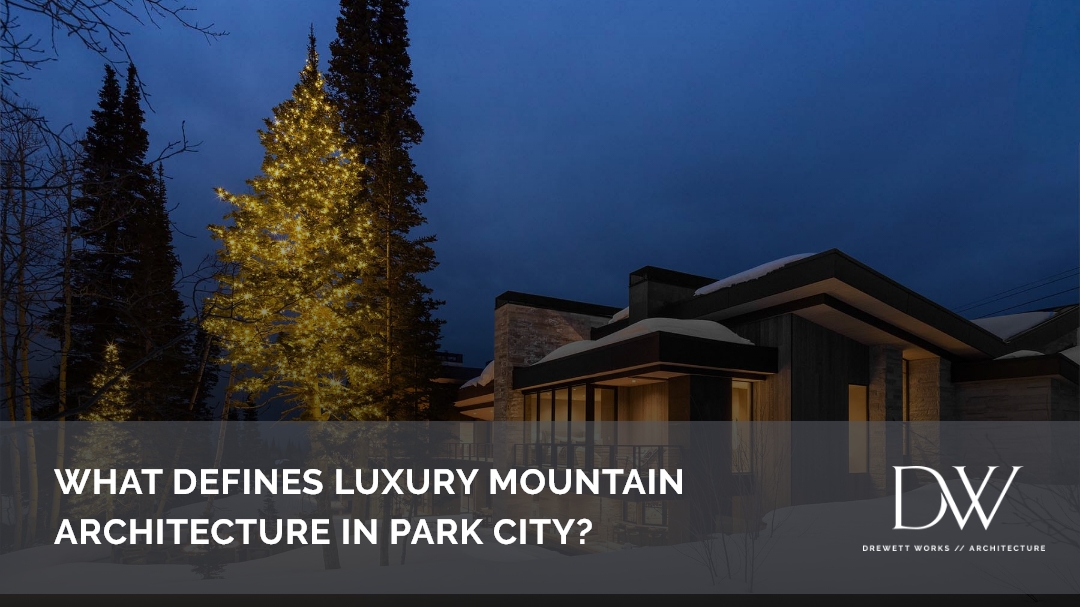
One of the defining characteristics of luxury mountain architecture in Park City is the balance between modern design and natural materials. Contemporary mountain homes often combine clean architectural lines with warm woods, native stone, steel, and textured finishes that reflect the surrounding landscape.
Rather than feeling overly rustic or excessively modern, the best homes strike a balance between refinement and authenticity. Organic modern architecture has become especially popular because it allows homes to feel elevated while still maintaining warmth and comfort.
This design philosophy creates residences that feel grounded within the mountains rather than disconnected from them. The architecture complements the environment instead of competing with it.
Indoor-Outdoor Living in Every Season
Luxury architecture in Park City is also heavily influenced by the region’s four-season lifestyle. While skiing remains central to the area’s identity, homeowners increasingly want spaces that can be enjoyed year-round.
As a result, indoor-outdoor living has become a major focus in mountain home design. Expansive glass walls, covered terraces, outdoor kitchens, heated patios, fire features, and wellness-oriented outdoor spaces help blur the boundary between interior and exterior environments.
These design elements allow homeowners to remain connected to the landscape whether it is snowing in January or warm and sunny in July. The architecture becomes less about enclosure and more about creating experiences tied to the outdoors.
Designing Around the Landscape and Views
In Park City, luxury architecture often begins with the site itself. Topography, sunlight, privacy, and mountain views all influence how a home is designed and positioned.
Rather than imposing a structure onto the land, thoughtful mountain architecture works with the terrain to create a natural relationship between the home and its environment. Living spaces are carefully oriented toward ski slopes, ridgelines, valleys, or aspen groves, while window placement is designed to frame specific views throughout the home.
This approach creates a stronger sense of connection to the landscape and results in homes that feel more timeless and site-specific.
Wellness and Retreat-Focused Design
Another defining trend in luxury mountain architecture is the growing emphasis on wellness and retreat-style living. Many homeowners are looking for homes that provide a sense of restoration and calm away from urban environments.
This has led to increased demand for spa-inspired bathrooms, saunas, cold plunge pools, yoga rooms, meditation spaces, and private wellness suites. Natural light, material selection, acoustics, and spatial flow all contribute to creating homes that feel peaceful and restorative.
In many ways, luxury mountain homes are evolving beyond simple vacation residences and becoming highly personalized retreats designed around wellbeing and lifestyle.
Spaces Designed for Gathering and Connection
Modern luxury homes in Park City are also being designed to accommodate multigenerational living and shared experiences. While privacy remains important, today’s homes often balance intimate spaces with areas intended for entertaining and connection.
Large kitchens, indoor-outdoor dining spaces, ski hospitality rooms, media lounges, wine rooms, and flexible gathering areas have become common features in high-end mountain residences.
The overall atmosphere tends to feel more relaxed and experiential than formal. Luxury is increasingly defined by comfort, livability, and the quality of everyday experiences rather than excessive ornamentation.
Sustainability in Luxury Mountain Architecture
Environmental sensitivity has also become increasingly important in mountain home design. Homeowners are more conscious of how architecture impacts the surrounding landscape and are seeking homes that feel responsible as well as beautiful.
This can include sustainable materials, energy-efficient systems, passive solar orientation, and thoughtful site integration that minimizes disruption to the natural terrain.
In alpine environments especially, architecture that respects the landscape often feels more enduring and authentic over time. Sustainable design is no longer viewed as separate from luxury—it has become an expected part of thoughtful mountain architecture.
The Influence of Boutique Hospitality Design
Park City’s growth as a luxury destination has also introduced stronger connections between residential architecture and hospitality design. Many homeowners are inspired by boutique resorts, branded residences, and luxury hospitality experiences.
This influence can be seen in everything from arrival experiences and spa-inspired interiors to seamless indoor-outdoor transitions and curated amenity spaces. Homes are increasingly being designed to evoke the feeling of a luxury retreat while still maintaining the warmth and individuality of a private residence.
As hospitality and residential design continue to overlap, experiential architecture has become a defining element of luxury mountain living.
Why Park City Continues to Shape the Future of Mountain Architecture
What makes Park City unique compared to other luxury mountain destinations is its blend of sophistication and authenticity. The area embraces modern luxury while maintaining a strong connection to outdoor living and mountain culture.
The most memorable homes in Park City are rarely the loudest or most extravagant. Instead, they are the homes that feel effortless within their environment—modern yet timeless, refined yet organic, and deeply connected to the experience of living in the mountains.
As luxury mountain communities continue to evolve, architecture will remain one of the defining elements shaping the identity of Park City. For homeowners, developers, and design enthusiasts alike, the future of mountain architecture is increasingly centered around thoughtful design, authentic experiences, and a meaningful connection to place.
Exploring the Future of Luxury Mountain Design
Whether you are planning a luxury mountain home, a modern alpine retreat, or a hospitality-focused development in Park City, thoughtful architecture starts with a clear vision and a deep understanding of the landscape. Drewett Works creates refined, site-responsive architecture designed to feel timeless, livable, and connected to its surroundings. If you are exploring a project in Park City or another luxury mountain destination, contact Drewett Works to start a conversation about your vision and architectural goals.
Frequently Asked Questions About Luxury Mountain Architecture in Park City
What is luxury mountain architecture?
Luxury mountain architecture combines high-end design, natural materials, and site-specific planning to create homes that feel connected to the surrounding landscape. In Park City, this often includes modern alpine design, expansive mountain views, indoor-outdoor living, and wellness-focused spaces.
What architectural styles are popular in Park City?
Organic modern architecture is one of the most popular styles in Park City. Many luxury homes blend contemporary lines with natural materials like wood, stone, and steel to create a warm, modern mountain aesthetic. Transitional mountain architecture and contemporary alpine homes are also common throughout the area.
What makes a luxury mountain home different from a traditional mountain cabin?
Luxury mountain homes tend to focus on refined design, large-scale indoor-outdoor living, wellness amenities, and modern functionality. While traditional cabins often emphasize rustic elements, today’s luxury homes in Park City typically balance sophistication with natural warmth and connection to the landscape.
Why is Park City a popular destination for luxury home design?
Park City offers a unique combination of world-class skiing, outdoor recreation, natural beauty, and year-round lifestyle amenities. Its blend of mountain living and luxury experiences has made it one of the premier destinations for high-end residential architecture in the United States.
How do architects design homes for mountain environments?
Architects design mountain homes by studying the site’s topography, sunlight, climate, privacy, and views. Homes are often positioned to maximize natural light, preserve views, and integrate with the surrounding terrain while responding to snow loads and seasonal weather conditions.
What materials are commonly used in luxury mountain architecture?
Natural materials are commonly used to help homes feel grounded within the landscape. Popular materials include stone, wood, steel, glass, concrete, and textured finishes that complement alpine environments while providing durability and timeless appeal.
Are luxury mountain homes designed for all four seasons?
Yes. Many luxury homes in Park City are designed for year-round living and entertaining. Features like covered outdoor spaces, heated patios, large windows, fireplaces, and wellness amenities allow homeowners to enjoy the property during every season.
What are the most requested features in modern mountain homes?
Some of the most requested features include spa-inspired bathrooms, wellness rooms, ski lounges, wine rooms, outdoor entertaining areas, large open kitchens, floor-to-ceiling glass, home gyms, and seamless indoor-outdoor living spaces.
Is sustainable design important in luxury mountain architecture?
Sustainability has become an important part of luxury mountain home design. Many homeowners are looking for energy-efficient systems, sustainable materials, passive solar strategies, and architecture that minimizes impact on the natural landscape.
How does luxury hospitality design influence residential architecture in Park City?
Many luxury homes today are inspired by boutique resorts and hospitality experiences. This influence can be seen in spa-like interiors, curated amenity spaces, seamless guest experiences, and architecture designed to feel both relaxing and experiential.
What should homeowners look for in a Park City luxury architect?
Homeowners often look for architects with experience designing in mountain environments, an understanding of local materials and climate, and a design philosophy that prioritizes both timeless architecture and connection to the landscape.